
The Cost Difference Between Braces and Invisalign
Braces typically cost $3,000 to $7,500 and clear aligners fall in a similar range, but the actual price depends more on your case complexity than which appliance you choose. If you've been researching the cost difference between braces and Invisalign, the short answer might surprise you. The gap between these two treatment solutions has narrowed significantly over the years, and in many cases, they're now priced comparably.
The factors that truly drive your investment include how complex your case is, how long treatment takes, and what your insurance covers. Most patients find that the choice between braces and aligners comes down to lifestyle and clinical needs rather than price alone.
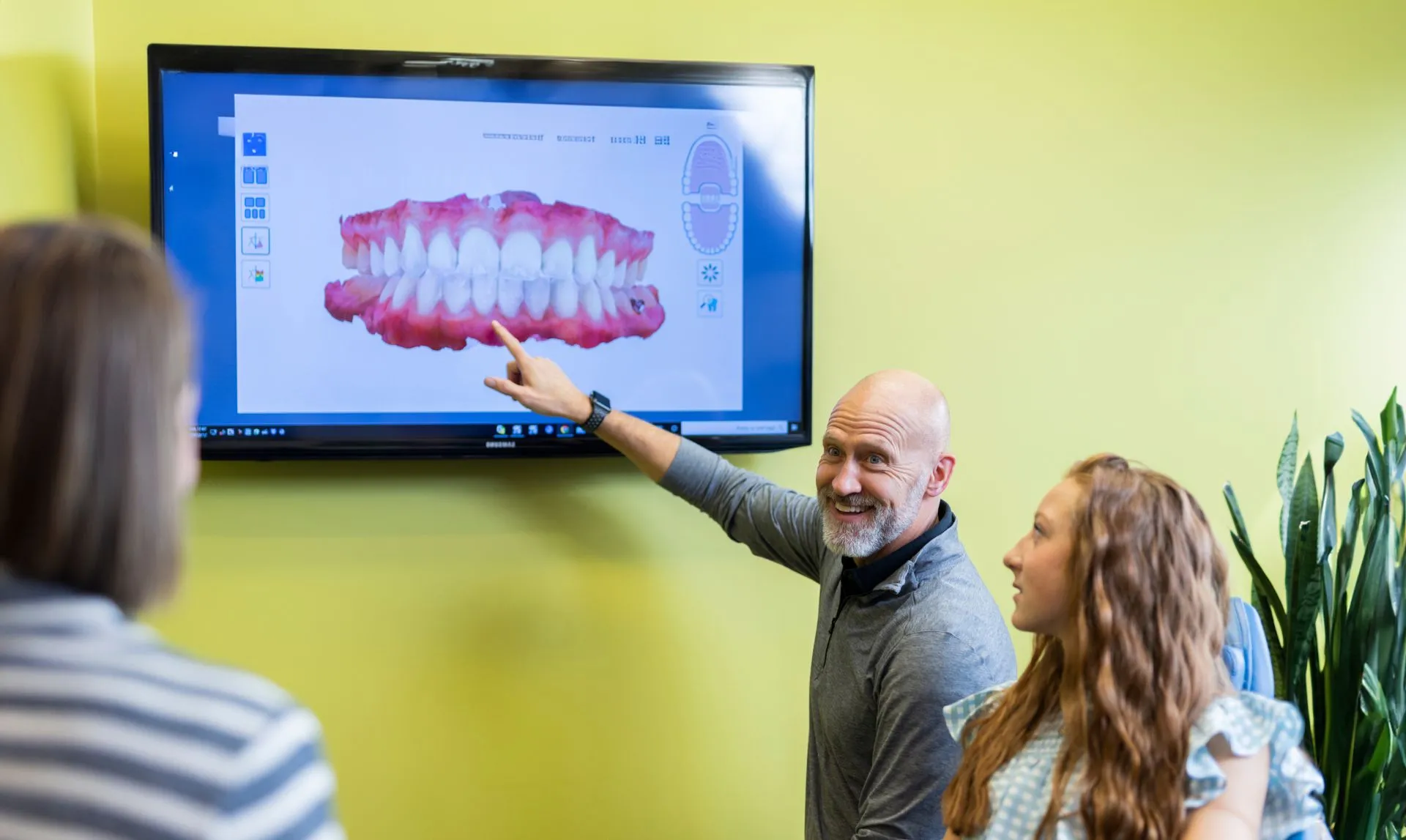
We believe everyone deserves an awesome smile, and that means being upfront about costs from the start. At Michael Richards Orthodontics in Salt Lake City, the only way to get an accurate estimate for your situation is through a free consult where DR and the team can evaluate your teeth, discuss your goals, and create a treatment plan built around your specific needs.
How Braces and Clear Aligners Work (And Why It Affects Price)
Braces use fixed brackets and wires to apply continuous pressure, while clear aligners use a series of removable trays to shift teeth incrementally. Both methods are effective, but they rely on different materials, technology, and visit schedules, all of which influence the final cost of treatment.
Traditional braces
Traditional braces use a system of brackets bonded to your teeth, connected by archwires and secured with small elastic bands. DR adjusts these wires at regular visits, gradually guiding your teeth into their ideal positions through controlled, constant pressure. This tried-and-true method works for virtually any orthodontic issue, from mild crowding to complex bite concerns.
Clear aligners
Clear aligners take a different approach. You wear a series of custom-molded, nearly invisible trays that apply gentle pressure to shift your teeth step by step. Each set of aligners moves you closer to your goal, and you switch to a new set every one to two weeks.
So why does this affect price? A few reasons:
- Case complexity matters. More severe misalignment means more aligner trays or longer time in braces, which increases costs for either treatment solution.
- Technology investment. Clear aligner treatment relies on digital scanning and 3D treatment planning. This technology adds to the cost but also improves predictability and precision.
- Visit frequency. Both methods require regular orthodontic visits, though aligners sometimes mean fewer emergency visits for broken brackets or loose wires.
The mechanics are different, but both deliver lasting results when prescribed and monitored by a board-certified orthodontist. At Michael Richards Orthodontics, DR brings that level of expertise to every treatment plan he creates.
What Are the Benefits of Braces vs. Clear Aligners?
When comparing braces and clear aligners, cost isn't the whole story. Each treatment solution offers distinct advantages that may influence your decision, and understanding those differences helps you feel confident about whichever direction you go.
Why Do Some Patients Choose Braces?
- Handles any complexity level. Braces can correct severe crowding, significant gaps, and complex bite issues that aligners may struggle with.
- Always working. Since braces are bonded to your teeth, they work around the clock without requiring you to remember to wear them. Zero compliance concerns.
- Multiple style choices. Today's braces come in metal, ceramic, and self-ligating varieties like Damon Ultima, giving you choices that weren't available years ago.
- Proven versatility. For patients of all ages with significant orthodontic needs, braces often provide the most reliable way to get a spectacular smile.
Why Do Some Patients Choose Clear Aligners?
- Nearly invisible appearance. Spark aligners are crafted from advanced clear material, so many people won't even notice you're wearing them.
- No food restrictions. Eat your favorite foods without limitations and brush and floss normally, since aligners are removable for meals and cleaning.
- Comfortable fit. Smooth, custom-made edges reduce the risk of irritation along your gums and lips.
- Nothing to break. Without brackets or wires, there's nothing that can snap or come loose, which means fewer unexpected visits to the space.
- Flexible for your life. Many teens and adults prefer the freedom of removing aligners for special occasions like photos, presentations, or date nights.
Both treatment solutions deliver beautiful, lasting results. The best choice depends on your specific needs, lifestyle, and preferences, something a board-certified orthodontist can help you figure out during a free consult.
How Do Braces and Clear Aligners Compare Side by Side?
Let's break down the cost difference between braces and Invisalign (or any clear aligner system) in a way that's easy to scan:
| Feature | Traditional Braces | Clear Aligners |
|---|---|---|
| Cost Range | $3,000 to $7,000 | $3,000 to $8,000 |
| Treatment Duration | Typically 18 to 24 months | Typically 12 to 18 months |
| Appearance | Visible metal or ceramic brackets | Nearly invisible |
| Removability | Fixed to teeth | Removable for meals and brushing |
| Dietary Restrictions | Yes (avoid hard, sticky foods) | None (remove aligners to eat) |
| Daily Wear Requirement | 24/7 (fixed) | 20 to 22 hours per day |
| Comfort | Initial adjustment period; potential wire irritation | Smooth edges; pressure with new trays |
| Best For | Complex cases, patients of all ages | Mild to moderate cases, teens and adults |
A few things stand out from this comparison. First, the cost ranges overlap significantly. You might assume aligners cost more, but that's not always true. Second, treatment time can actually be shorter with aligners for appropriate cases. Third, both require commitment, whether that's following dietary guidelines with braces or wearing your aligners consistently.
The right choice isn't about which is "better" overall. It's about which is better for you. The American Association of Orthodontists recognizes both braces and clear aligners as effective treatment solutions when properly prescribed and monitored by an orthodontic specialist.
Key Factors That Affect Your Orthodontic Treatment Cost
Case complexity, treatment length, insurance coverage, payment plans, and geographic location are the main factors that affect orthodontic treatment cost. Here's how each one influences your final investment:
The Role of Case Complexity in Pricing
This is the single biggest driver of cost for any orthodontic treatment. Mild crowding or minor spacing issues require less time and fewer adjustments than severe malocclusion or bite correction. A straightforward case might wrap up in under a year, while complex situations could take two years or longer.
Treatment Length and Your Investment
Time equals money in orthodontics. Longer treatment means more visits, more materials (whether that's aligner trays or wire adjustments), and more expertise applied over a greater number of months. That said, proper alignment takes the time it takes. Cutting corners only leads to less stable results.
Insurance Coverage for Orthodontic Treatment
Good news here: most orthodontic insurance plans cover both braces and clear aligners equally. Many plans provide a lifetime orthodontic benefit that can offset a significant portion of your treatment cost. Check with your insurance provider to understand your specific coverage.
Low Monthly Payment Plans
The sticker price doesn't have to be a barrier. Flexible low monthly payment plans can make either treatment affordable. A payment calculator helps you understand what fits your budget, so you can focus on getting the dream smile you want without financial stress.
Retainers and Follow-Up Care
Retainers are essential for maintaining your dream smile after active treatment ends, and follow-up visits ensure everything stays on track. Some practices include these in your treatment fee; others charge separately. Always ask what's included before you commit.
Geographic Pricing Differences
Orthodontic fees vary by region based on local cost of living and market factors. Practices in the Salt Lake City area may price differently than those in other parts of Utah or across the country.
How Do You Know Which Treatment Solution Is Right for You?
Choosing between braces and clear aligners isn't just about cost. It's about finding the treatment that fits your life and delivers the dream smile you're after.
Clear aligners could be a great fit if you have mild to moderate crowding, spacing, or bite issues, aesthetics are a priority, you're disciplined about wearing your aligners 20 to 22 hours daily, and you want the flexibility to remove your appliance for special occasions.
Braces might be the stronger choice if you have complex orthodontic needs or severe bite issues, you'd rather not worry about remembering to wear aligners, you want a "set it and forget it" approach, or DR recommends them based on your specific case.
Many patients qualify for both. That's exactly why a one-on-one evaluation with a board-certified orthodontist like Dr. Michael Richards matters so much. He can take a close look at your teeth, discuss what you're hoping to achieve, and give you a recommendation along with a clear cost estimate. No pressure, just the info you need to make a confident decision.
Frequently Asked Questions About Braces and Clear Aligner Costs
Is Invisalign more expensive than braces?
Not necessarily. Clear aligners were once considered the premium choice, but costs have become much more comparable. The price you'll pay depends more on your case complexity and treatment length than on which appliance you choose. A free consult is the best way to get a specific cost comparison based on your unique needs.
Does insurance cover clear aligners the same as braces?
Usually, yes. Orthodontic insurance benefits typically apply to both braces and clear aligner treatment equally. Your plan may have a lifetime maximum for orthodontic care, which you can use toward either treatment solution. Contact your insurance provider to confirm your specific coverage details.
Can I use low monthly payment plans for orthodontic treatment?
Absolutely. Most orthodontic practices offer flexible monthly financing to make treatment accessible. Low monthly payment plans mean you don't have to pay everything upfront, and a payment calculator can help you estimate what your investment might look like before your first visit.
Why do orthodontic costs vary so much between practices?
Several factors play a role: the orthodontist's training and experience, the technology used in treatment planning, geographic location, and what's included in the quoted fee (like retainers and follow-up visits). Choosing a specialist you trust matters more than finding the lowest quote.
How can I get an accurate cost estimate for my treatment?
The only way to get a reliable number is through an in-person evaluation. During this visit, DR will assess your teeth, take any necessary records, and develop a customized treatment plan. From there, you'll receive a specific cost estimate based on your unique needs rather than general averages.
Are there hidden costs I should know about?
A reputable practice will be transparent about all fees upfront. Ask what's included in your quoted price: retainers, follow-up visits, and any necessary refinements. At Michael Richards Orthodontics in Salt Lake City, straightforward pricing is the standard. What you're quoted at the start is what you can expect to pay. The team walks through every line item so nothing catches you off guard.