
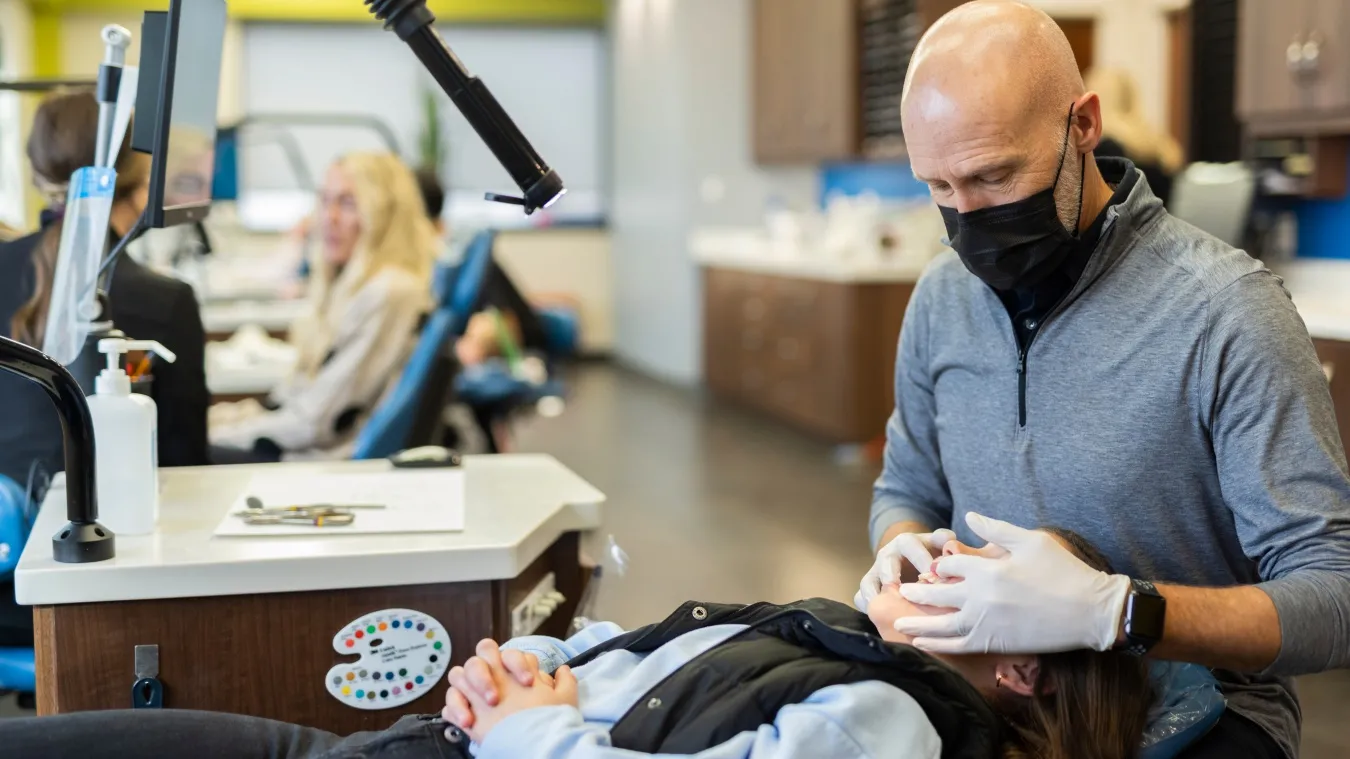
What Counts as an Orthodontic Emergency?
An orthodontic emergency is any situation involving severe trauma to your teeth or jaw, uncontrolled bleeding, significant swelling, or signs of infection that require immediate attention. Most orthodontic issues, like a loose bracket or poking wire, are minor inconveniences you can manage at home until your next visit with DR.
When something goes wrong with your braces or aligners, it's easy to panic. A wire poking your cheek at 10 PM or a bracket that suddenly feels loose can feel like a crisis. But honestly, most orthodontic issues aren't actual emergencies.
What Exactly Counts as an Orthodontic Emergency?
A true orthodontic emergency involves severe discomfort, trauma to your teeth or jaw, or signs of infection that need immediate attention. Think facial injuries from sports accidents, uncontrollable bleeding from your mouth, or significant swelling that could indicate an abscess. These situations require urgent care, often starting with a call to or a trip to the emergency room. Dr. Richards recommends that patients of all ages learn the difference between a real urgent situation and a temporary annoyance.
In DR's experience, the vast majority of issues patients deal with are minor inconveniences, not true emergencies. That loose bracket or annoying wire? Uncomfortable, sure. But not something that requires rushing to urgent care at midnight.
Understanding what counts as an orthodontic emergency matters more than you might think. When you can tell a true crisis from a temporary annoyance, you respond more calmly. You save yourself unnecessary stress, avoid expensive ER visits that often can't address orthodontic-specific issues anyway, and get the right care at the right time. Dr. Richards and his team help patients of all ages understand exactly when to call and when to grab the wax and wait it out.
Common situations that feel urgent but aren't emergencies include:
- A bracket that's come loose from your tooth
- A wire that's poking the inside of your cheek
- Mild soreness after your adjustment visit
- A lost elastic or ligature
- General discomfort when you first get braces
True emergencies that need immediate attention include:
- Trauma to your face affecting your teeth or jaw
- A knocked-out permanent tooth
- Severe swelling in your mouth, face, or gums
- Bleeding that won't stop with pressure
- Signs of infection like fever combined with oral swelling
Knowing which category your situation falls into helps you take the right next step without overreacting or, just as importantly, without ignoring something serious.
How to Handle Common Orthodontic Emergency Situations
Most orthodontic issues have simple at-home solutions: orthodontic wax for loose brackets, a pencil eraser to push down poking wires, and salt water rinses for soreness. Dr. Richards and the team at Michael Richards Orthodontics recommend these steps for the most common issues:
What Should You Do About a Broken or Loose Bracket?
Your bracket came off or feels wiggly. Don't panic. This happens more often than you'd think, especially if you accidentally bit into something hard.
What to do:
- Leave the bracket where it is if it's still attached to the wire
- Cover it with orthodontic wax to prevent irritation
- Avoid eating hard or sticky foods that could make it worse
- Call Dr. Richards to schedule a repair visit
If the bracket comes off entirely, save it and bring it to your visit.
How Do You Handle a Poking Wire?
A wire that's shifted and is now stabbing your cheek or gum is one of the most common complaints. It's annoying, but you can usually take care of it yourself.
Start by using a clean pencil eraser to gently push the wire flat against your tooth. Didn't work? Cover the sharp end with orthodontic wax or a small piece of cotton. As a last resort, you can use clean nail clippers to carefully trim the wire, but only if you can clearly see what you're cutting. Rinse with warm salt water afterward to soothe any irritation.
What Should You Do About a Loose Band or Appliance?
Bands are the metal rings that wrap around your back teeth. If one feels loose or comes off completely, don't try to handle it yourself. Leave a loose band alone if it's still in your mouth, and if it comes off completely, save it in a small bag or container. Call Dr. Richards to schedule a repair visit and avoid chewing on that side of your mouth until the team takes care of it.
What Happens If You Lose, Crack, or Warp an Aligner?
Contact Dr. Richards right away. They may advise you to wear your previous set of aligners until a replacement arrives. If your tray is damaged, lost, or no longer fits properly, your treatment could be affected. Don't skip wearing aligners entirely, as your teeth can shift quickly. And if your aligner is slightly warped from heat exposure, don't try to reshape it yourself.
How Do You Deal with General Soreness or Mouth Irritation?
Some discomfort is completely normal, especially in the first few days after getting braces or following an adjustment. Rinse your mouth with warm salt water several times a day and take over-the-counter relievers as directed. Stick to soft foods for a few days, and use orthodontic wax on any brackets or wires causing friction. Most soreness fades within three to five days.
Why Knowing How to Respond to Orthodontic Emergencies Matters
Knowing how to handle orthodontic issues at home protects your treatment timeline, prevents minor concerns from escalating, and saves you from costly, unnecessary ER visits. It's not just about comfort.
How Does Quick Action Protect Your Treatment Timeline?
Ignore a poking wire and you might end up with a mouth sore that takes weeks to heal. Leave a loose bracket alone too long and your teeth could drift the wrong direction, adding time to your treatment. Acting quickly on minor issues keeps everything on track.
Every day your braces or aligners aren't working properly is a day your teeth aren't moving as planned. Addressing issues promptly means fewer setbacks and a more predictable path to your spectacular smile.
Here's something parents really appreciate: when your teen knows what to do if something goes wrong with their braces, those unexpected moments feel a lot less scary. Having a game plan turns a stressful situation into something totally manageable, whether it's a bracket issue after basketball practice or soreness after an adjustment.
Why Should You Skip the ER for Minor Orthodontic Issues?
Let's be honest about emergency rooms. They're expensive, often involve long waits, and most ER doctors aren't equipped to handle orthodontic-specific issues. They can address trauma and infection, but they can't rebond your bracket or adjust your wire. Knowing when an ER visit is actually necessary saves you time, money, and frustration.
A pinch of wax and a warm salt water rinse can get you through most nights without losing sleep.
True Orthodontic Emergencies vs. Minor Issues: How to Tell the Difference
Not sure whether your situation needs immediate attention? This breakdown should help you decide.
| Situation | Severity Level | What to Do |
|---|---|---|
| Knocked-out permanent tooth | TRUE EMERGENCY | Retrieve tooth, hold by crown only, keep moist, get to dentist/ER within 30 minutes |
| Jaw fracture or severe facial trauma | TRUE EMERGENCY | Go to emergency room immediately |
| Severe swelling with fever | TRUE EMERGENCY | Call Dr. Richards immediately; may need ER for infection |
| Uncontrolled bleeding | TRUE EMERGENCY | Apply pressure; if bleeding doesn't stop in 10-15 minutes, go to ER |
| Abscess or signs of serious infection | TRUE EMERGENCY | Contact Dr. Richards or go to ER same day |
| Loose or broken bracket | Minor issue | Apply wax, schedule repair visit |
| Poking wire | Minor issue | Use wax or push wire down; call Dr. Richards next business day |
| Lost elastic or ligature | Minor issue | Replace if you have extras; otherwise wait for next visit |
| Mild soreness after adjustment | Minor issue | Salt water rinse, OTC relief, soft foods |
| Lost or cracked aligner | Minor issue | Contact DR; wear previous tray until replacement arrives |
| Broken retainer | Minor issue | Call Dr. Richards promptly to prevent teeth from shifting |
The key distinction comes down to this: true emergencies involve trauma, infection, or severe discomfort that's getting worse. Minor issues involve discomfort or inconvenience that can be managed temporarily at home.
When in doubt, call DR's space. Even after hours, most orthodontic spaces have voicemail instructions or an emergency line that can help you determine your next step.
What Does It Cost to Treat an Orthodontic Emergency?
Most minor orthodontic repairs like rebonding brackets or adjusting wires are included in your treatment cost at no extra charge. Emergency room visits for non-emergency issues can be surprisingly expensive and typically can't address orthodontic concerns.
Emergency room visits, on the other hand, aren't cheap. For something like a loose bracket, the ER team typically can't do much beyond providing temporary relief and recommending you see your orthodontist. ER visits can easily run over $1,000, which makes it a costly option for something that doesn't actually require emergency medical care.
Some spaces do charge fees for true after-hours emergencies or weekend visits that require special arrangements. It's worth asking Dr. Richards upfront about their policy so you know what to expect.
The smartest financial move? Keep a small emergency kit at home. For just a few dollars, you can have orthodontic wax, salt for rinses, over-the-counter relievers, and a small pair of clean nail clippers on hand. This simple kit can prevent many unnecessary urgent visits and help you manage discomfort until your regular visit.
Who Is Most Likely to Experience an Orthodontic Emergency?
Athletes, children, teens, patients in early treatment stages, and those who eat restricted foods are most likely to experience orthodontic emergencies. Knowing if you fall into one of these categories can help you prepare.
Which Activities Put You at Higher Risk?
Without a proper mouthguard designed for braces, a single hit to the face during a contact sport can damage brackets, cut soft tissue, or cause more serious trauma. If you or your child plays sports, investing in an orthodontic mouthguard is a must.
Hard foods like popcorn kernels, ice, and hard candy are the most common culprits behind broken brackets and bent wires. Sticky foods like caramel and taffy aren't far behind. Knowing what to avoid goes a long way toward keeping your braces intact.
Are Younger Patients More Likely to Have Issues?
Kids and teenagers tend to deal with more bracket and wire issues simply because of their active lifestyles. They're also still building the habits that protect their braces, and let's be real, compliance with care instructions can be inconsistent. Parents, this is where that emergency kit really comes in handy.
If you're in the early stages of treatment, expect more soreness and adjustment-related discomfort than you'll feel later on. Your mouth needs time to adapt, and the first few weeks often involve the most sensitivity. Clear aligner patients have an advantage when it comes to bracket-related emergencies since they don't have any. They can, however, crack, warp, or lose their trays, which creates its own set of challenges. Keeping aligners in their case when not in your mouth prevents many of these issues.
Frequently Asked Questions About Orthodontic Emergencies
Should I go to the ER for a broken bracket?
No. A broken bracket isn't a medical emergency, and emergency room team members typically can't repair orthodontic appliances. Cover the bracket with wax if it's causing irritation and call Dr. Richards to schedule a repair visit. Save the ER for true emergencies involving trauma, severe swelling, or uncontrolled bleeding.
Can I handle a poking wire at home?
Yes, you can usually manage a poking wire temporarily. Try using a clean pencil eraser to gently push the wire flat against your tooth. If that doesn't work, cover the sharp end with orthodontic wax. As a last resort, you can carefully clip the wire with clean nail clippers, but only if you can clearly see what you're cutting. Call Dr. Richards to let them know what happened.
Is soreness after an adjustment an emergency?
Not at all. Mild discomfort for a few days after an adjustment is completely normal and expected. Your teeth are actively moving, which can cause some achiness. Rinse with warm salt water, take over-the-counter relievers as needed, and stick to soft foods. If things still feel really off after a week, that's worth a call to DR.
What should I keep in an orthodontic emergency kit?
A basic kit should include:
- Orthodontic wax
- Salt for making rinses
- Over-the-counter relievers
- Clean tweezers
- A small mirror
- Clean nail clippers for trimming a poking wire in a pinch
Some patients also keep extra elastics or ligatures if Dr. Richards provides them.
What if Dr. Richards' space is closed?
Check Dr. Richards' voicemail or website for after-hours instructions and follow those steps. For true emergencies involving trauma or signs of infection, you may need to visit an emergency room or urgent care. For minor issues like a loose bracket or poking wire, use your at-home solutions and call the space first thing the next business day.
Orthodontic issues can feel stressful in the moment, but most situations are manageable with the right knowledge and a few simple supplies. Dr. Richards and the team at Michael Richards Orthodontics are always here to help you figure out your next step, whether you're dealing with a minor annoyance or something more serious. If you're not sure what to do, give us a call and we'll point you in the right direction.